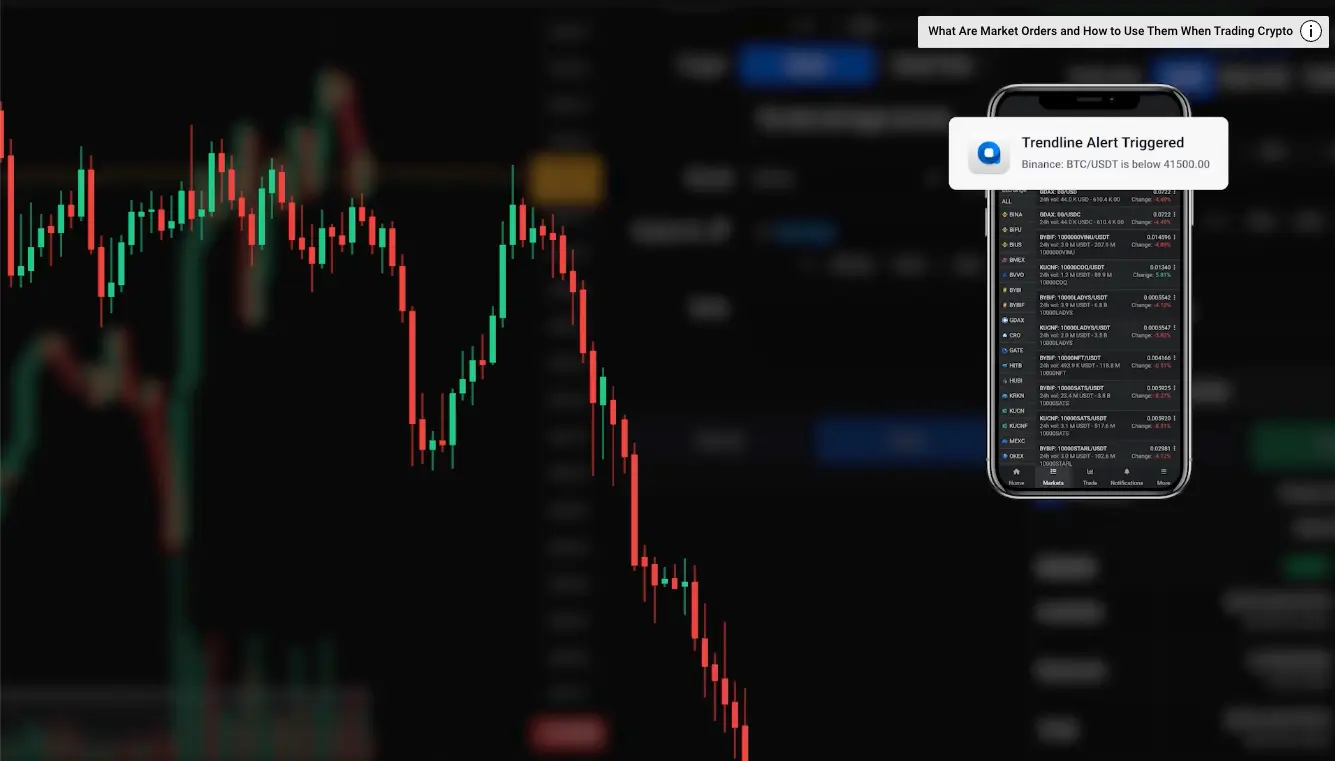

For anyone just beginning to explore crypto trading, crypto exchanges are usually the starting point. Although choosing your first exchange with modern trading apps is much easier than in the past, there are still some challenges to overcome.
Crypto exchanges are the gateway between traditional money and cryptocurrencies. They offer an easy and convenient way to convert your fiat currency into crypto tokens. For most people, they are the first encounter with the crypto world, and choosing the wrong one can severely dampen their crypto experience. That is why it is crucial to understand them and how they operate before making the choice.
What Exactly Is a Crypto Exchange?
As the name would suggest, crypto exchanges allow users to exchange one asset for another. You can swap dollars for Bitcoin, or exchange one cryptocurrency for a different one. These platforms are the backbone of crypto trading, providing pricing data, liquidity, and the tools needed for simple buy and sell actions. Sites like Webopedia offer excellent articles on how crypto exchanges function and what you can expect from them.
Centralized vs. Decentralized Exchanges
Most newcomers often don’t realize that not all exchanges are created equal. Broadly speaking, they come in two flavors: centralized exchanges (CEXs) and decentralized exchanges (DEXs).
Centralized exchanges (CEXs) act like traditional online platforms, with a company running the service, setting the rules, and providing customer support. These platforms typically offer a straightforward interface, clear charts, and familiar account structures.
Decentralized exchanges (DEXs) rely on blockchain technology and smart contracts rather than a central operator. Instead of accounts and logins, users interact with the platform through a crypto wallet. DEXs are appealing to people who prefer more autonomy and direct control over their assets, but they can also be more complex for beginners.
Why Exchanges Differ in Fees and Features
Platforms charge their users various fees, including trading fees, deposit fees, and withdrawal fees. One of the first things new traders notice about exchanges is how much they differ in fees. The difference depends on the platform’s business model. Some platforms offer lower fees but fewer features, while others provide more advanced charting tools, mobile apps, and additional services.
Liquidity is also an important factor when choosing the exchange that works best for you. Liquidity represents the amount of trading on each platform. More trading means more money in circulation and better chances of executing a trade.
These differences don’t necessarily make one exchange “better” than another, but they do shape which platform is more suitable for certain goals or experience levels.
Tools Exchanges Provide to New Traders
Depending on their intended user profile, platforms offer various tools designed to help new traders better understand their features. Some offer extensive libraries with tutorials, explaining every detail of crypto trading. Exchanges that want to attract newcomers often have simplified UIs, without the clutter. More experienced traders may find this lacking and not sufficient for their needs, but it can be a very useful feature for novices as it lets them learn the ropes without confusing them. Once they are confident that they know enough, they can easily switch to more complex exchanges. Some of the features that help new traders get a hang of the trade include:
- Price charts that show historical performance
- Order books that display buying and selling interest
- Market summaries that list top gainers, losers, and overall trends
- Educational sections explaining how different order types work
Conclusion
Crypto exchanges will in large part determine how your crypto experience begins, which is why choosing the best one for you is a critical step. To do so, you must first understand how they work. As with most things crypto, education and research are crucial, and skipping them will be very detrimental to your crypto journey.