
Swing Traders, most “crypto partnerships” headlines are noisy, so it helps to separate marketing from what changes in real-world payments. Mastercard’s Crypto Partner Program is one of the more practical announcements because it is positioned as a collaboration forum to help bring on-chain innovation into everyday commerce and existing payment rails, instead of building in isolation.
This article explains what the program is, who it is for, what it is trying to solve, and what it could realistically mean for exchanges, wallets, and the infrastructure that eventually touches traders and consumers.
What is the Mastercard Crypto Partner Program
The Mastercard Crypto Partner Program is a global initiative that brings together crypto-native companies, payments providers, and financial institutions to collaborate with Mastercard on future products, standards, and real-world deployment. The stated focus is practical execution: turning on-chain capabilities like speed and programmability into compliant, scalable use cases that integrate with existing commerce flows.
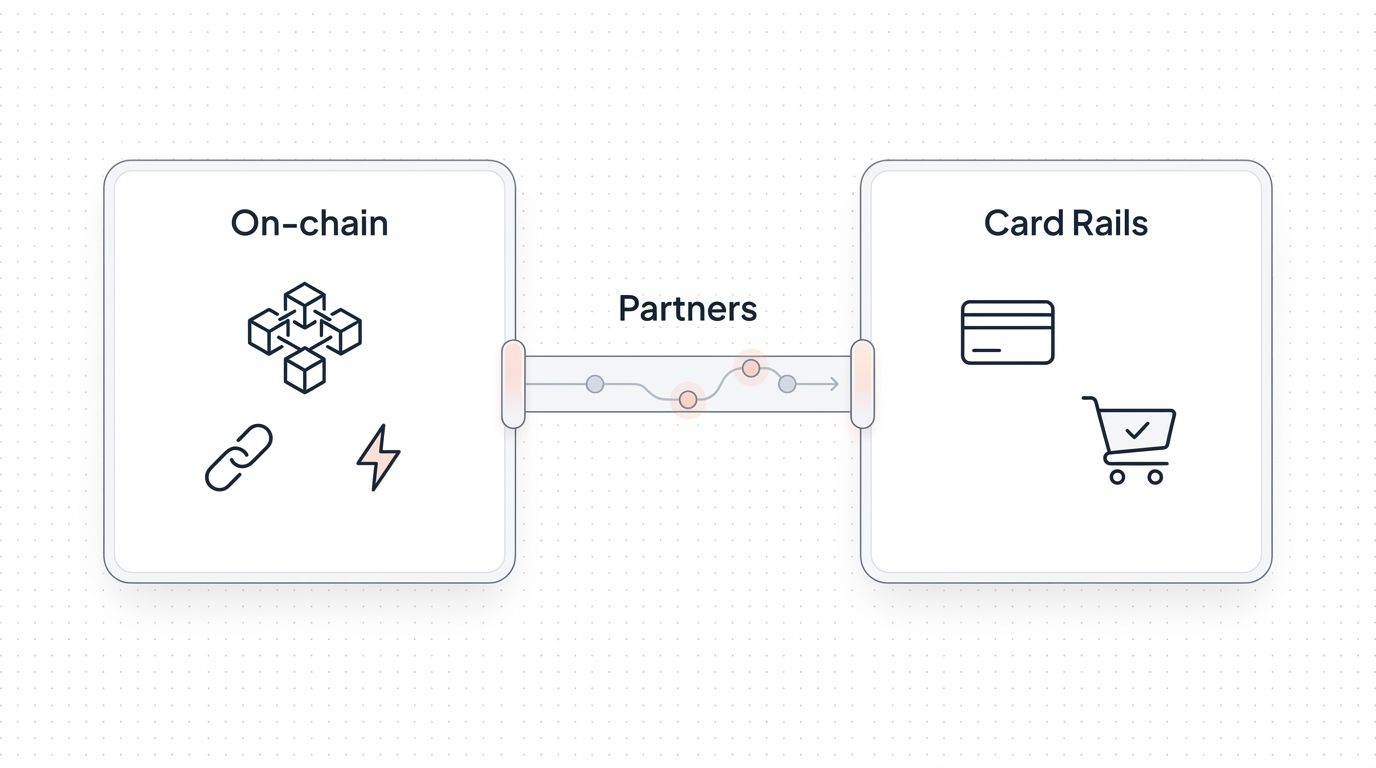
In short, it is positioned as a structured collaboration framework rather than a single product launch. The goal is to align innovation across the ecosystem so that what is built on-chain can work with what already works in everyday payments.
What the program is trying to solve
Digital asset systems can move value quickly and programmatically, but real-world payments require trust layers: compliance, consumer protection, settlement reliability, and interoperability with existing rails. That gap is where many pilots stall or remain isolated.
The program’s intent is to reduce that fragmentation. It aims to connect crypto builders and traditional payments infrastructure so solutions can operate across markets, meet regulatory expectations, and plug into the way commerce already works.
Who the program is for
This program is not designed for individual traders. It is aimed at organizations that build or operate parts of the digital-asset stack, including:
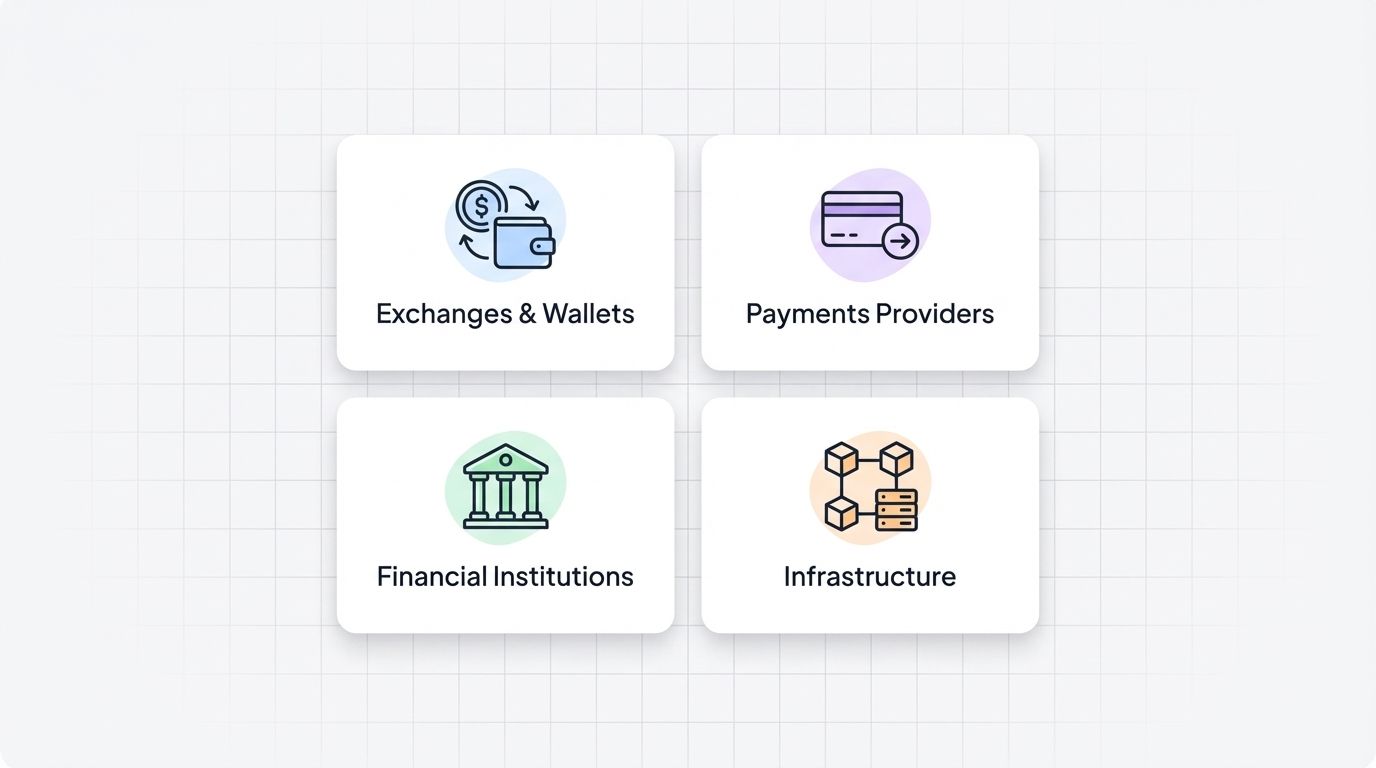
• crypto-native companies (exchanges, wallets, infrastructure providers)
• payments providers and on-ramp partners
• financial institutions exploring digital asset use cases
• firms working on settlement, payouts, remittances, and B2B payments
The practical value is access to dialogue, alignment on standards, and feedback loops that can shape how future products are designed and deployed. For participants, the “benefit” is usually about integration pathways and de-risking go-to-market, not a single immediate feature.
How this relates to Mastercard’s existing crypto efforts
Mastercard has run multiple digital asset initiatives over the years, including programs around crypto cards, startup acceleration, and specific digital-asset products. The Crypto Partner Program is positioned as a broader ecosystem layer that builds on those efforts rather than replacing them.
If you have seen Mastercard programs that help partners launch card products tied to crypto, this is adjacent but not identical. The emphasis here is collaboration on what comes next, including solutions meant to bridge on-chain capabilities with the reliability and scale of existing commerce rails.
What a “partner program” can realistically mean
A partner program can range from a lightweight community to a serious pipeline for product co-design and implementation. In Mastercard’s framing, the emphasis is on deployment and standards, which suggests it is meant to be more than a logo wall.
Still, it is important to stay realistic. This program does not automatically mean:
• a new consumer app is launching tomorrow
• every partner will offer card spending or credit card buying
• traders will get new features directly in their exchange accounts
Instead, the most likely near-term impact is indirect: better rails, clearer standards, and more compliant integrations that can show up later as improved on-ramps, payout flows, and cross-border money movement.
How this could affect exchanges and wallets
If an exchange or wallet participates in the ecosystem Mastercard is building, the biggest potential upgrades tend to fall into a few buckets:
• smoother fiat on-ramps and off-ramps
• more standardized identity and compliance flows for transfers
• new card-linked digital asset products in certain regions
• improved settlement or payout experiences behind the scenes
These changes typically arrive gradually, market by market. For users, it can look like better availability, fewer friction points, or more consistent rules, not a dramatic overnight change.
How traders should interpret this kind of news
For traders, the right mindset is to treat this as infrastructure news. It can be bullish for long-term adoption and market maturity, but it is not a trading signal by itself.
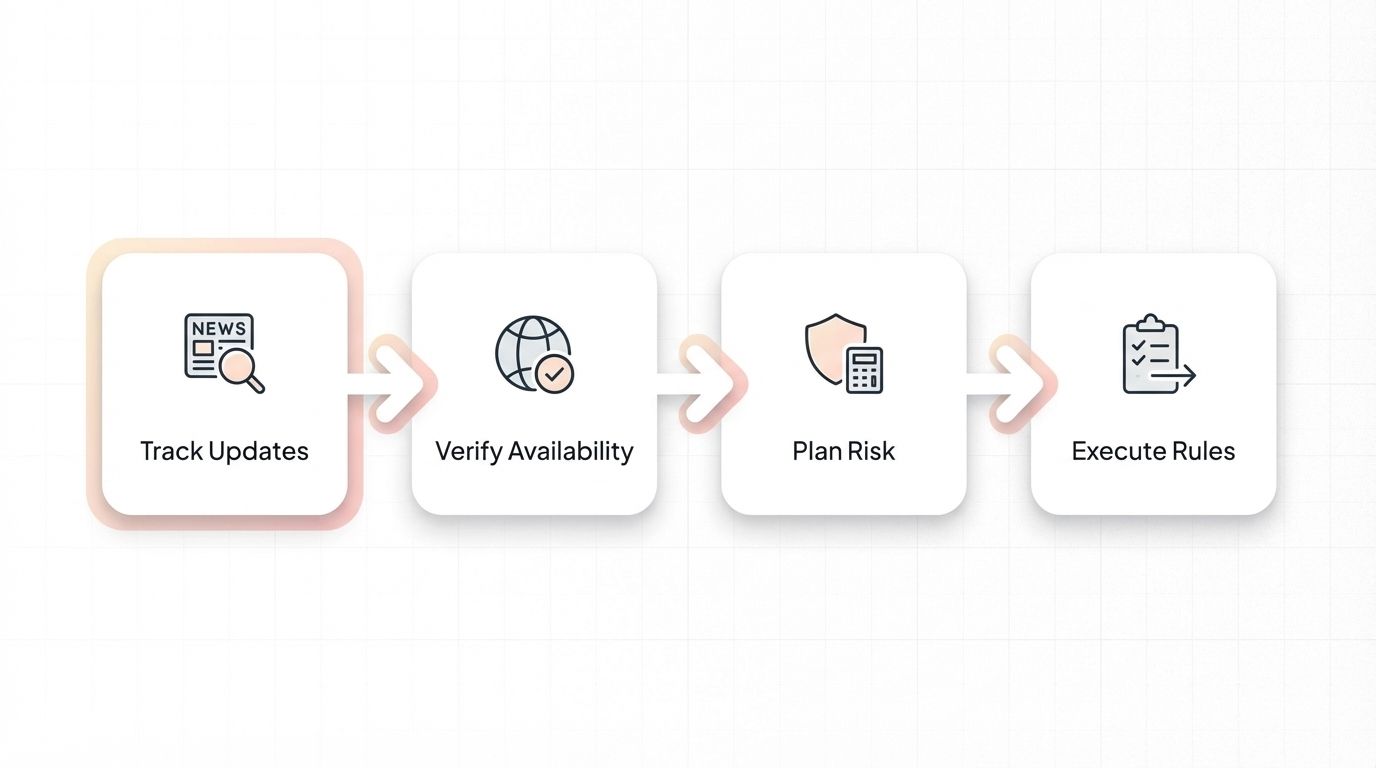
If you want to make it practical, track two things:
• whether the exchanges you use publish any concrete product updates tied to Mastercard rails
• whether your region sees new on-ramp or card purchase options that reduce friction and fees
The moment it becomes relevant to you is when your exchange announces a specific new payment option, transfer feature, or card-linked product in your country.
Where Altrady fits in the picture
Altrady is not a payments rail and it is not an on-ramp. It is a trading and workflow platform that connects to exchanges so you can execute, set alerts, and track decisions more consistently.
So the connection is indirect: if exchanges improve funding, settlement, or card-linked access because of broader ecosystem work, traders may find it easier to get capital onto exchanges. Once funds are there, tools like Altrady become useful for turning market access into a repeatable process.
FAQ on Mastercard Crypto Partner Program
Is the Mastercard Crypto Partner Program the same as a crypto card program?
Not exactly. A crypto card program is typically about issuing payment cards that let users spend crypto by converting to fiat at point of sale. The Crypto Partner Program is framed as a broader collaboration initiative focused on aligning ecosystem standards and building deployable solutions that work with existing commerce rails.
Some participants may also build card products, but the program itself is not limited to cards.
Does this program mean Mastercard is “going all-in” on crypto?
It signals continued investment in digital asset infrastructure and partnerships, but it does not mean Mastercard is switching away from traditional payments. The messaging is about bridging: connecting on-chain innovation to the systems that already power everyday commerce.
In practice, it is a strategy to integrate digital assets where they provide value, while keeping trust, compliance, and reliability as core requirements.
Will this change anything for everyday users soon?
Possibly, but usually in incremental ways. The most realistic changes show up as improved on-ramps, better transfer experiences, clearer compliance flows, or new region-specific card and payout options.
If you want to know whether it affects you, watch for concrete announcements from your exchange or wallet about new Mastercard-linked features in your country.
Risk disclaimer
Trading is risky. Losses can happen quickly in volatile markets, and partnership announcements are not a guarantee of price direction or profit.
Swing Traders, use position sizing, predefined stops, and testing before allocating meaningful capital. Start a free trial on Altrady to manage execution with alerts and a journal, so decisions stay process-driven even when the news cycle gets loud.
Frequently Asked Questions
Is the Mastercard Crypto Partner Program the same as a crypto card program?
Not exactly. A crypto card program is typically about issuing payment cards that let users spend crypto by converting to fiat at point of sale. The Crypto Partner Program is framed as a broader collaboration initiative focused on aligning ecosystem standards and building deployable solutions that work with existing commerce rails. Some participants may also build card products, but the program itself is not limited to cards.
Does this program mean Mastercard is going all in on crypto?
It signals continued investment in digital asset infrastructure and partnerships, but it does not mean Mastercard is switching away from traditional payments. The messaging is about bridging, connecting on-chain innovation to the systems that already power everyday commerce. In practice, it is a strategy to integrate digital assets where they provide value, while keeping trust, compliance, and reliability as core requirements.
Will this change anything for everyday users soon?
Possibly, but usually in incremental ways. The most realistic changes show up as improved on-ramps, better transfer experiences, clearer compliance flows, or new region-specific card and payout options. If you want to know whether it affects you, watch for concrete announcements from your exchange or wallet about new Mastercard-linked features in your country.