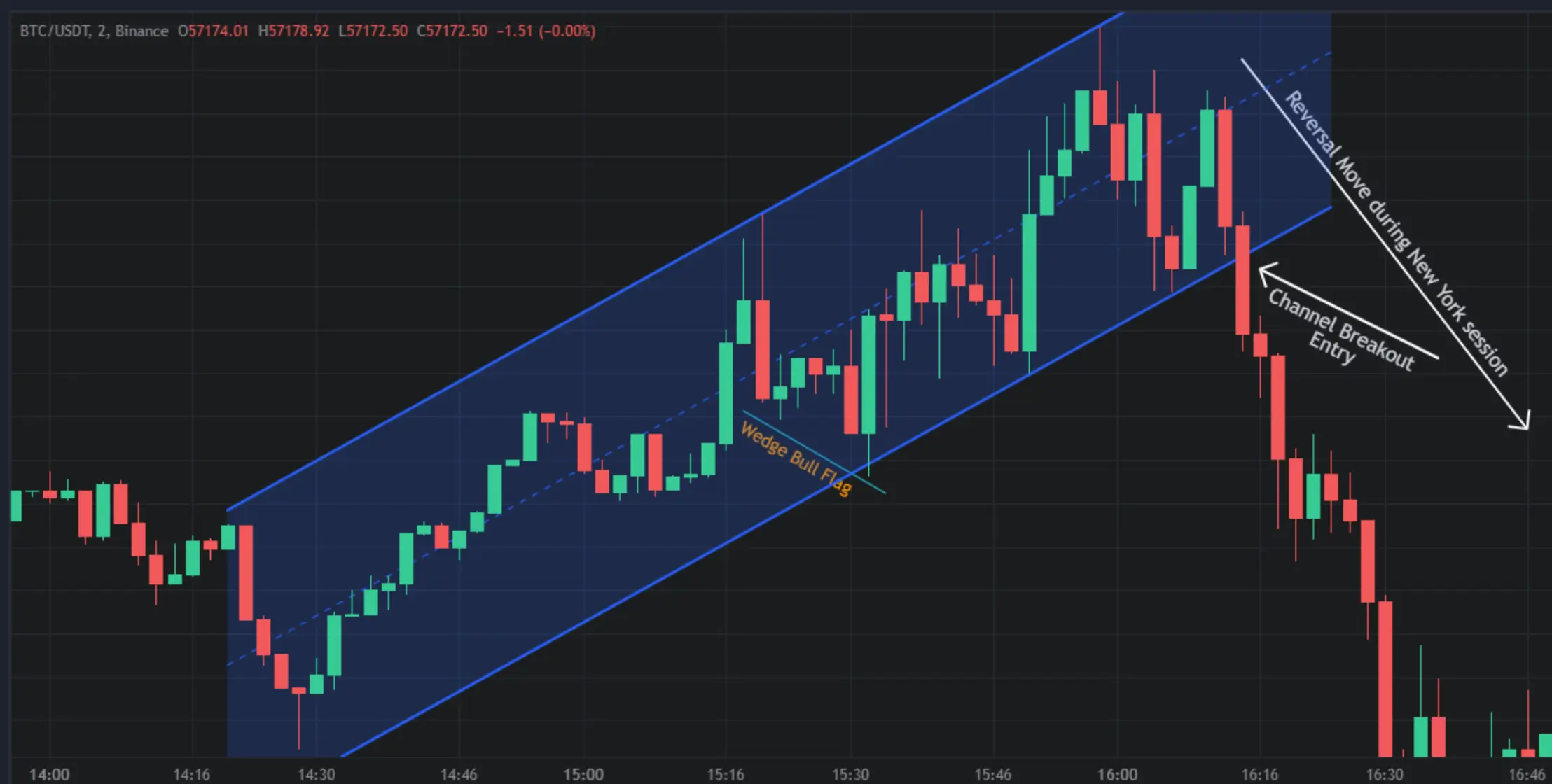

Crypto swing trading looks simple from the outside. You buy during dips, sell during rallies, and stack profits without sitting glued to the screen all day. At least that is the fantasy. The reality is less glamorous. Swing trading takes patience, discipline, and the ability to stick to a plan even when the market tries to shake you out of it.
There’s no shortage of traders who jump into swing trading, thinking it’s a shortcut to fast returns. Most end up making the same preventable mistakes. If you want to build a long-lasting strategy, you need to understand the most common myths and the mistakes that cause traders to burn through their capital.
This guide breaks it all down. By the end, you’ll know what traps to avoid, how to keep your emotions out of the way, and how to approach the market with the mindset of a trader who wants to stay profitable over the long run.
The Biggest Myths in Crypto Swing Trading
Before talking about the mistakes traders make, you need to address the myths that send them down the wrong path in the first place.
Myth 1: Swing Trading Is Easy Money
A lot of beginners hear the word “swing” and think it means you simply ride the flow of the market and profits fall into your lap. The truth is that swing trading demands structure. You need a trading plan, rules for entries and exits, and a clear approach to risk.
Crypto moves fast. Prices can turn against you in seconds. If you think it’s easy, you’ll make decisions without thinking them through, and that’s usually the point where traders start to take losses that feel unnecessary. Swing trading isn’t rocket science, but it’s not autopilot income either. It rewards those who stay disciplined, not those looking for a shortcut.
Myth 2: Perfect Signals Exist
Indicators help, but they don’t predict the future. You can stack RSI, MACD, moving averages, Fibonacci levels, trend lines, volume profiles, and still get blindsided by a sudden liquidation cascade or unexpected news.
The problem starts when traders rely on signals alone. They forget that indicators lag behind the market. They also forget that every chart pattern works better in certain environments than others. A bullish setup in a choppy market is nothing more than a false sense of security.
Successful swing traders understand context. They look at market structure, momentum shifts, volatility, and broader trends. Signals guide them, but they don’t control every decision.

Myth 3: Quick Profits Are Guaranteed
Crypto’s volatility creates this illusion that you can buy today, sell tomorrow, and walk away with instant profit. Sometimes it happens, but most of the time it doesn’t.
The market doesn’t care about your timeline. Swing trades can take several days or even weeks to develop. When you force trades to move faster than they naturally will, you either close too soon or hold too long. Neither helps your bottom line.
The Most Common Mistakes in Crypto Swing Trading
Even after traders understand the myths, the same set of mistakes shows up again and again. Fixing these will put you ahead of most swing traders immediately.
Mistake 1: Overtrading
Overtrading destroys accounts quicker than bad entries do. Some traders feel the need to always be in a trade. Others jump from setup to setup without giving their strategy time to work.
Every trade has a cost. That cost is risk. If you take ten trades in a week when your strategy only gives you two real signals, you’re gambling rather than trading. Overtrading usually leads to smaller wins and bigger losses because the quality of each setup drops.
Good swing traders are patient. They wait for clean setups. They skip the noise and focus on trades that fit their plan.
Mistake 2: Poor Risk Management
Nothing ruins a swing trading strategy faster than ignoring risk. You may get away with sloppy risk management for a short period, but eventually the market reminds you why it matters. Some of the most common risk mistakes include:
- Trading without a stop loss
- Risking too much of your account on one trade
- Adding to losing positions
- Using the same position size in every market condition
Swing trading requires clear rules. You need to know how much you are willing to lose before you enter a trade. You need to size your positions based on volatility and your personal risk tolerance. You also need to accept that taking small losses is part of the game. One big loss can erase weeks of progress.
Mistake 3: Emotional Trading
This might be the biggest killer of trading accounts. Fear, greed, impatience, and frustration all push traders into decisions that make no sense when looked at calmly.
You know the drill. The market pulls back slightly, and you panic sell, even though your setup is still valid. Or you watch a strong candle and chase the breakout at the worst possible price. Maybe you refuse to close a losing position because you think it will “bounce soon.”
The market punishes emotional decisions. The way to reduce this is simple, even if it takes practice. Create a plan and follow it. Let the market do what it wants. Your job is to respond within the boundaries of your rules, not to react impulsively whenever price moves.
Mistake 4: Ignoring News and Events
Even swing traders who focus mostly on technical analysis need to pay attention to news. Crypto reacts hard to major announcements. Exchange hacks, regulatory developments, protocol vulnerabilities, and macroeconomic data can shift sentiment in an instant.
If you ignore the news cycle, you risk taking trades right before a big event that flips the chart upside down. The goal isn’t to become a full-time news analyst. The goal is simply to stay aware enough to avoid getting blindsided.
Mistake 5: Overnight and Weekend Risk
Swing trading means holding positions for days or weeks. That creates exposure to risk while you’re away from the chart. In crypto, that risk is amplified because the market never sleeps.
Weekend price gaps, funding spikes, low liquidity moves, and unexpected news can all hit your open positions. You cannot control these events, but you can plan for them. Use proper stop losses, size positions conservatively, and avoid entering new trades right before a major weekend or holiday period unless your setup is strong and your risk is clearly defined.
Mistake 6: Not Backtesting
Skipping backtesting is one of the most preventable mistakes in crypto swing trading. If you don’t know how your strategy performs in different conditions, you’re basically trading blind.
Backtesting gives you confidence. It shows you whether your rules work during uptrends, downtrends, and sideways markets. It reveals your strategy’s weaknesses before you risk real capital.
Traders who backtest stay consistent. Traders who don’t usually keep changing their system after every loss.
Mistake 7: Abandoning Your Trading Plan
A trading plan is only useful if you stick to it. Many traders spend hours creating a plan, then drop it the moment volatility appears. They get tempted by random setups, they force trades during drawdowns, or they switch indicators every time they hit a losing streak.
Consistency is more important than perfection. The goal isn’t to find a strategy that wins every time. The goal is to follow your rules often enough for your edge to play out over time. If you constantly switch plans, your results will always be inconsistent.
How to Avoid These Mistakes in Crypto Swing Trading
If you want to build a long-term swing trading approach, here are the habits that matter:
- Trade only when your setup is clear
- Keep position sizes reasonable
- Protect every trade with a stop loss
- Stay aware of market conditions and news
- Use backtesting as part of your strategy development
- Stick to your plan, no matter how tempting it is to deviate
- Keep emotions out of your decisions as much as possible
None of this is complicated. It just takes discipline. Once you adopt these habits, your trading becomes smoother, calmer, and more predictable. You stop chasing the market and start letting the setups come to you.
Bottom Line
Crypto swing trading isn’t about luck or quick wins. It’s a structured approach built around patience, discipline, and smart risk management. The myths make it look easy, and the mistakes make it harder than it needs to be.
When you avoid the most common mistakes in crypto swing trading, you give yourself a real chance at long-term success. But the goal isn’t to win every trade. The goal is to stay consistent, protect your capital, and let your strategy work over time. Follow your plan, focus on quality setups, and treat every trade like a business decision. That is how you build a swing trading system that lasts.